
For a long time, people believed that learning a musical instrument was something you had to start as a child. If you missed that window, the assumption was that it would be too hard later in life. But that idea is slowly changing. Across the world, more adults in their 30s, 40s, and even 50s are picking up a guitar for the first time and enjoying the process. But the question arises here, can You Learn Guitar After 30, 40, or 50? The Truth About Starting Late. Let’s find out.
Part of this shift comes from changing lifestyles. Adults now have easier access to online lessons, tutorials, and music communities. Many also want hobbies that help them relax after work or express creativity. As a result, guitar learning is no longer limited to teenagers or music students. It has become something people start at any stage of life.
Can You Learn Guitar After 30, 40 or 50? The Truth About Starting Late

Table of Contents
1. Adults Often Have More Patience to Learn

When people start learning guitar later in life, they often approach it differently than younger learners. Instead of rushing to play complex songs quickly, adults tend to focus on understanding the basics step by step. This patience can actually make the learning process smoother.
Many adult learners also accept that progress takes time. They practice consistently without worrying too much about speed. That mindset helps build strong foundations such as proper finger placement, rhythm, and chord transitions.
2. Learning Guitar Becomes a Stress Relief
For many adults, the main reason to learn guitar is not performance or competition. It is simply about relaxation. Playing music after a long day can reduce stress and help clear the mind.
Strumming a few chords or practicing a favorite melody creates a calming routine. Over time, guitar practice becomes something people look forward to rather than a task they have to complete.
3. Music Taste Becomes Clearer With Age
Adults usually have a better understanding of the music they love. Instead of exploring randomly, they often start learning guitar because they want to play specific songs or styles.
For example, people who enjoy acoustic and emotional music may feel inspired by artists like Prateek Kuhad or Anuv Jain. This connection between music taste and learning motivation keeps practice sessions more meaningful.
4. Online Learning Made It Easier Than Ever
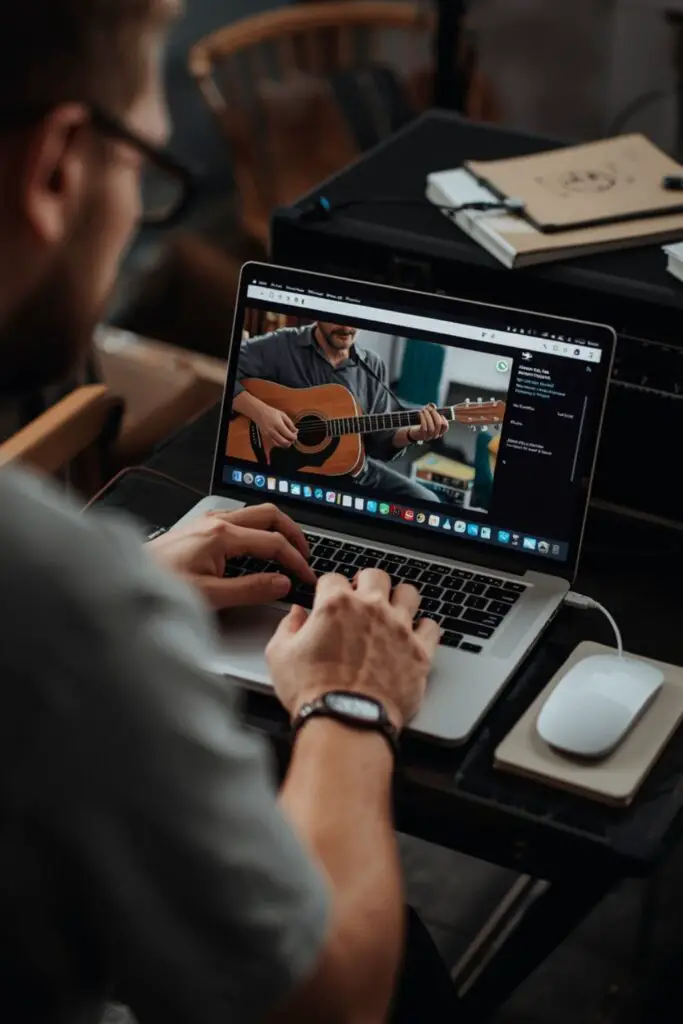
In the past, learning guitar meant attending physical classes or finding a local teacher. Today, the internet provides endless learning resources. Video lessons, chord charts, and practice apps make it possible to learn at home.
This accessibility removes one of the biggest barriers for adults. Even someone with a busy schedule can learn guitar by practicing for 15 or 20 minutes a day.
5. Adults Learn With Realistic Expectations
One advantage of starting guitar later in life is that adults rarely expect instant results. They understand that mastering any skill takes time and repetition.
Because of this mindset, they often focus on small improvements. Learning a new chord shape or playing a song smoothly becomes a satisfying achievement instead of a stressful goal.
6. Guitar Learning Improves Focus and Memory
Learning music is not only about playing songs. It also engages the brain in many ways. Remembering chord patterns, rhythm structures, and finger movements helps improve mental focus.
Studies often show that musical activities support cognitive health. For adults, this means guitar practice can become both a creative hobby and a mental exercise.
7. Technology Helps Adults Practice Better

Modern technology supports learning in ways that did not exist before. Digital tuners, metronome apps, and slow-motion lesson videos make practice sessions more effective.
Many learners record themselves playing and track their improvement over time. This feedback loop helps them understand what needs improvement and keeps motivation high.
8. Adults Often Learn Guitar for Personal Goals
Unlike younger students who may learn music because of school or family pressure, adults usually choose guitar for personal reasons. Some want to play songs they grew up listening to, while others want to write their own music.
This personal connection makes the learning journey more rewarding. The motivation comes from genuine interest rather than external expectations.
9. The Biggest Challenge Is Consistency
While adults have many advantages when learning guitar, the biggest challenge is often time. Work schedules, family responsibilities, and daily tasks can interrupt regular practice.
Interestingly, many beginners struggle with motivation early on. If you are curious about this stage, you can read more in Why Most People Quit Learning Guitar in the First 30 Days. Understanding these early obstacles can help new learners stay committed.
10. More Adults Are Picking Up Guitar Than Before

Another interesting trend is that adult learners are becoming more common worldwide. Music is no longer limited to professional ambitions. Many people simply want a creative outlet.
In fact, this shift is part of a larger trend where adults are rediscovering musical instruments. You can explore this idea further in 10 Possible Reasons Why More Adults Are Picking Up Guitar Now (Are Guitars Losing Popularity?).
At the same time, the popularity of calm acoustic songs is also influencing this movement. Many listeners who enjoy emotional indie music eventually become curious about learning the instrument themselves. This trend connects closely with the growing popularity of soft music discussed in Rise of Soft Music in India: Why Calm and Emotional Songs Are Becoming Popular Again.
Final Thoughts
Learning guitar after 30, 40, or even 50 is not only possible but often enjoyable. Adults bring patience, discipline, and a clear sense of musical taste to the learning process. These qualities can make the journey smoother than many people expect.
The most important thing is to focus on steady progress rather than perfection. Even a few minutes of practice each day can lead to meaningful improvement over time. Whether someone wants to play favorite songs, relax after work, or explore creativity, guitar remains one of the most accessible instruments to start at any age.
🎸 Enjoying GuitarTwitt?
Join 2,000+ guitarists getting free chord sheets and guitar tips every week.
+ Get our Top 20 Easy English Songs Chord Book free today.
🔒 No spam. Unsubscribe anytime.